
Introduction to Tree Well Dangers
Tree wells, often unseen and underestimated, represent a significant hazard in snow-covered mountainous regions. These depressions form around the base of trees, particularly conifers, where branches prevent snow from compacting. The result is a pocket of loose, unconsolidated snow that can be deep enough to completely engulf a person. If a skier or snowboarder falls into a tree well headfirst, the loose snow can quickly surround them, making self-extrication extremely difficult. The risk of suffocation is high due to the inability to breathe and the potential for a constricted airway. Awareness of these dangers and knowledge of appropriate rescue techniques are paramount for anyone venturing into areas where tree wells are present.
The Incident: A Snowboarder in Distress
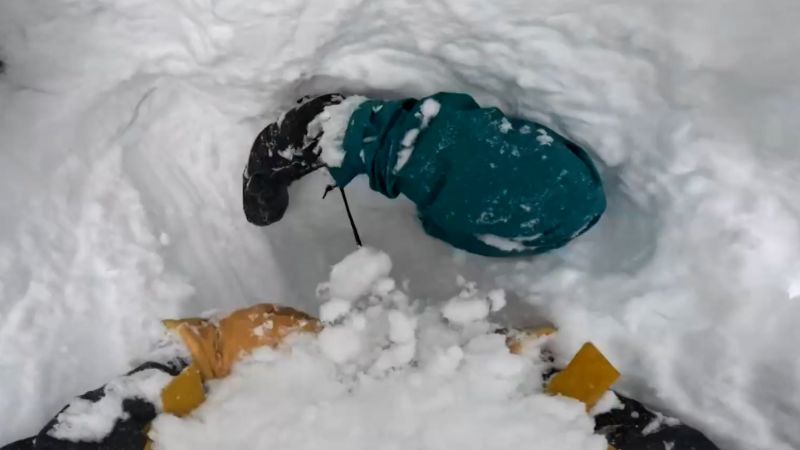
The critical situation unfolded during a day of winter sports when a snowboarder unexpectedly became inverted and trapped within a tree well. The individual found themselves in a precarious position, head-down and unable to move, with the dense, powdery snow encasing them. This type of incident can escalate rapidly, as the weight of the snow and the inverted posture severely impede breathing and circulation. The urgency of the situation was immediate, demanding a swift and effective response to prevent a potentially tragic outcome. Such occurrences underscore the unpredictable nature of backcountry environments and the necessity of vigilance among participants.
Francis Zuber's Timely Intervention
Amidst the potentially life-threatening scenario, skier Francis Zuber demonstrated remarkable presence of mind and decisive action. Upon observing the snowboarder's predicament, Zuber, without hesitation, initiated a rescue effort. His immediate assessment of the situation and rapid movement towards the trapped individual were crucial. The swiftness of his response is a testament to the value of preparedness and the ability to act under pressure. In such high-stress environments, a delay of even a few moments can significantly alter the outcome, making Zuber's quick reaction a pivotal factor in the successful rescue.
Executing the Rescue: A Textbook Approach
Zuber's rescue operation is being lauded as an exemplary demonstration of correct procedure for tree well entrapment. Upon reaching the snowboarder, Zuber systematically worked to free the individual. This involved carefully clearing the snow around the snowboarder's head and upper body to establish an airway and alleviate immediate pressure. The method employed by Zuber, which focused on creating space for breathing and then gradually extracting the person, aligns with recommended safety protocols for such emergencies. His actions highlight the importance of methodical and calm execution in high-stakes rescue scenarios, prioritizing the victim's immediate needs while working towards full extrication.
The Call for Increased Safety Training
Following the successful rescue, Francis Zuber emphasized the critical need for individuals engaging in winter sports, particularly in off-piste or ungroomed areas, to undertake specialized rescue training. He articulated that while his actions were effective in this instance, such situations can vary greatly, and formal training equips individuals with the knowledge and skills to handle a wider range of emergencies. Zuber's advocacy for rescue courses stems from the understanding that awareness alone is insufficient; practical skills and systematic approaches are vital for effective intervention. He suggested that such training should be considered an essential component of preparation for anyone venturing into potentially hazardous snowy terrains.
Understanding Tree Well Safety Protocols
Safety experts and experienced winter sports enthusiasts consistently advise adherence to specific protocols to minimize the risks associated with tree wells. These recommendations include always skiing or snowboarding with a partner, maintaining visual contact, and ensuring that partners are aware of each other's location. Carrying appropriate safety equipment, such as transceivers, probes, and shovels, is also strongly advised. Furthermore, understanding the terrain and avoiding areas known for frequent tree well formations can significantly reduce exposure to risk. Education on self-rescue techniques and partner rescue strategies forms the cornerstone of proactive safety measures, empowering individuals to respond effectively in emergencies. The incident involving Francis Zuber serves as a powerful reminder of these principles in action.
Conclusion: Preparedness as a Lifeline
The incident involving the trapped snowboarder and Francis Zuber's prompt intervention serves as a compelling case study on the importance of preparedness in high-risk recreational activities. It underscores that while the thrill of winter sports is undeniable, it must be balanced with a robust understanding of potential dangers and the skills to mitigate them. Zuber's actions not only saved a life but also brought renewed attention to the critical role of formal rescue training and adherence to safety guidelines. This event reinforces the message that proactive safety measures and the ability to act decisively in an emergency can be the difference between a minor incident and a significant tragedy in the backcountry.
Source: A snowboarder got buried upside down in snow. See skier's quick reaction.
Related Articles
 sports
Major Golfers Face Disappointment in Open Qualifying Rounds
 sports
EFL Clubs Anticipate Fixture Release and Carabao Cup Draw Details
 sports
UConn and San Diego State Vie for National Championship in Historic March Madness Finale
 sports