
Anticipation Builds for EFL Fixture Release
The football calendar for the 2026/2027 season is rapidly approaching, and with it, a heightened sense of anticipation among clubs and supporters within the English Football League (EFL). Teams in the Championship, League One, and League Two are on the cusp of discovering their full fixture lists, a crucial moment that dictates travel plans, fan attendance, and strategic preparations for the entire season. The release of these fixtures is not merely a formality; it's a pivotal event that shapes the narrative for the months to come, influencing everything from squad rotation to financial projections.
The Significance of the Fixture List
For many clubs, particularly those in the lower tiers, the fixture list is more than just a schedule of games. It provides clarity on key dates, allowing for the meticulous planning of training camps, player recovery periods, and logistical arrangements for away matches. Local derbies and high-profile clashes are often circled immediately, as these fixtures typically generate increased revenue and fan engagement. Furthermore, the sequencing of home and away games can impact a team's early-season momentum, making the initial run of matches particularly critical.
Managers and coaching staff meticulously analyze the schedule, identifying potential challenging periods, such as sequences of multiple away games or fixtures against top-of-the-table contenders. This foresight allows them to strategically manage player fitness, allocate resources, and adapt tactical approaches. Similarly, club commercial departments use the fixture list to plan ticketing promotions, hospitality packages, and merchandise sales, leveraging key dates to maximize income.
Carabao Cup Draw: An Early Season Highlight
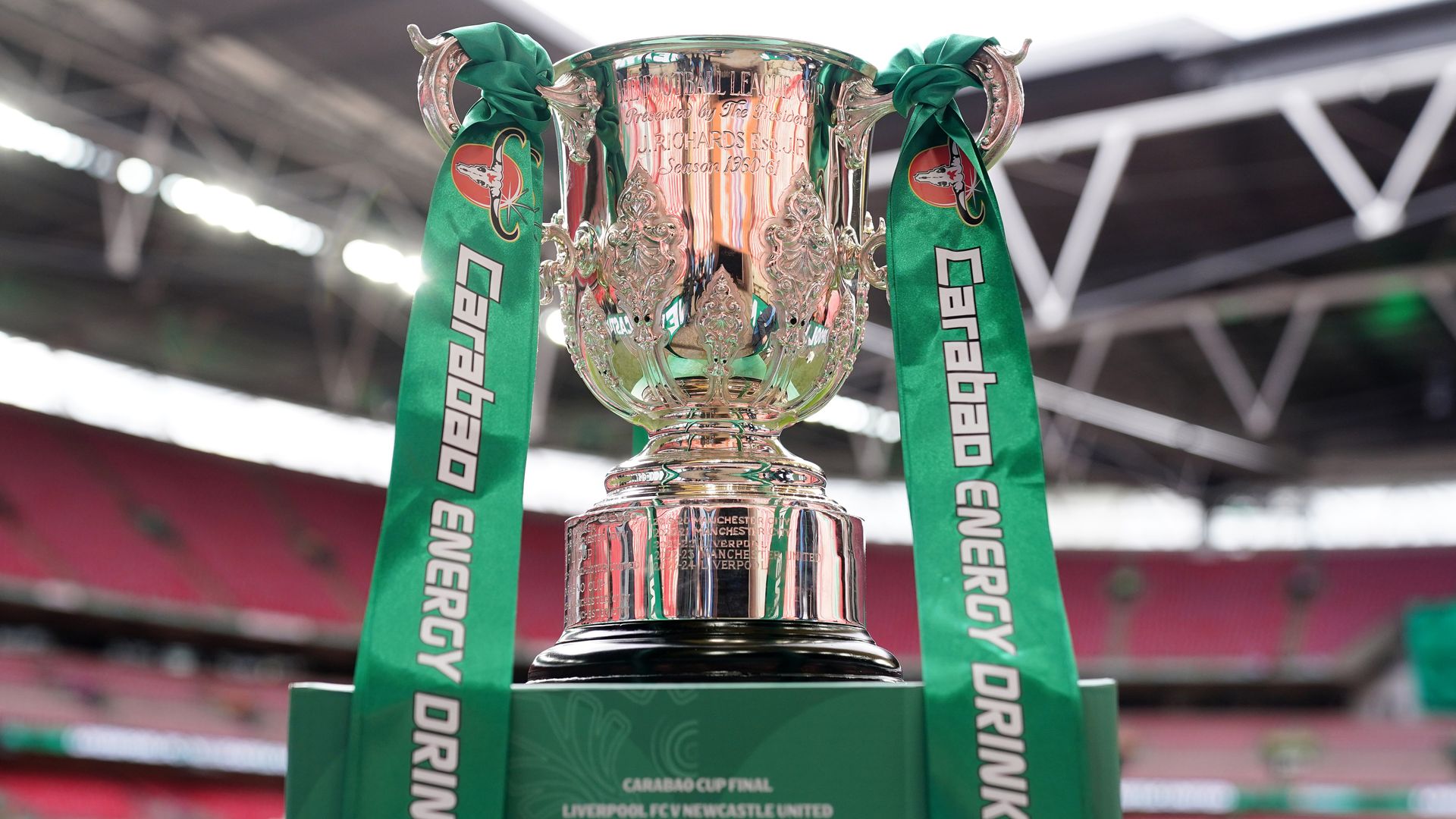
Alongside the league fixture release, the draw for the first round of the Carabao Cup – often referred to as the EFL Cup – is another eagerly awaited event. This competition offers clubs across all three EFL divisions a chance for cup glory, and for some, an opportunity to test themselves against Premier League opposition in later rounds. The first-round draw typically involves all 72 EFL clubs, with Premier League teams joining in subsequent stages.
Opportunities and Challenges in Cup Competitions
For smaller clubs, a successful cup run can provide significant financial benefits through gate receipts, broadcast revenues, and potential prize money. It also offers players the chance to perform on a bigger stage, potentially attracting scout attention and boosting team morale. However, cup competitions also present a challenge, adding extra matches to an already demanding schedule. Managers must balance the desire for cup success with the primary objective of league performance, often leading to squad rotation and strategic decisions regarding player availability.
The Carabao Cup, in particular, has a rich history of producing upsets, where lower-league teams overcome higher-ranked opponents, creating memorable moments for fans and players alike. These 'giant-killing' acts are a testament to the unpredictable nature of football and the passion that permeates all levels of the English game. The draw itself generates considerable excitement, with fans speculating on potential matchups and dreaming of a lucrative tie against a Premier League giant.
Preparing for the Season Ahead
As the summer progresses, clubs are not only focused on the fixture release and cup draws but also on the crucial period of pre-season training and transfer activity. Squads are being assembled, new signings integrated, and tactical systems refined. Pre-season friendlies provide valuable opportunities to assess player fitness, experiment with formations, and build team cohesion before the competitive season commences. The transfer window remains open throughout much of the summer, allowing clubs to strengthen their rosters even after the initial fixtures are announced.
The collective anticipation surrounding these events underscores the vibrant and dynamic nature of English football. For fans, it signifies the imminent return of competitive action, while for clubs, it marks the culmination of months of planning and preparation, as they gear up for another challenging and exciting campaign across the Championship, League One, and League Two.
Source: Sky Sports