
A Public Figure's Private Struggle
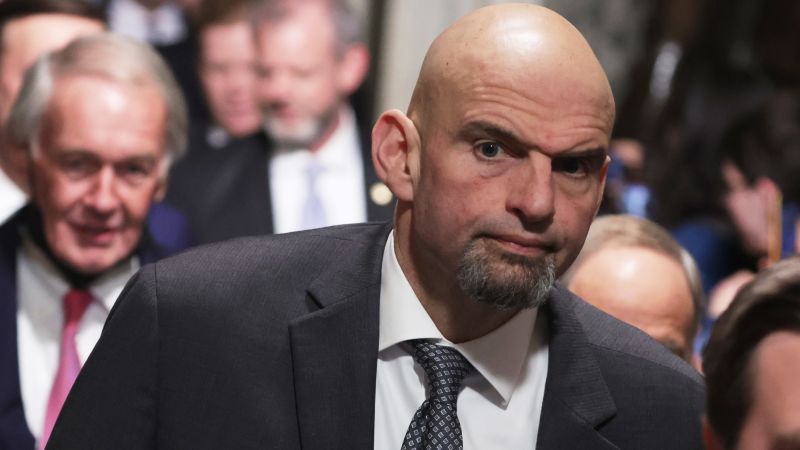
In a candid interview, Senator John Fetterman (D-PA) has shared his personal experience with depression, revealing the profound challenges he faced in the aftermath of his demanding and ultimately successful Senate campaign. His disclosure offers a rare glimpse into the mental health struggles that can affect individuals, even those in prominent public positions, particularly after periods of intense stress and high-stakes competition.
Fetterman's journey to the Senate was marked by significant health issues. In May 2022, just days before the Democratic primary, he suffered a stroke that profoundly impacted his speech and auditory processing. Despite this major setback, he continued his campaign, eventually securing a victory in a closely watched and highly contentious race. The immense pressure of the campaign, coupled with his ongoing recovery from the stroke, created a complex and challenging environment for the senator.
The Onset of Depression
Following his election win, a period that many would expect to be one of triumph and relief, Fetterman found himself grappling with severe depression. He described a "downward spiral" that led him to seek professional help. This experience underscores the critical distinction between external success and internal well-being, highlighting that even significant achievements do not inoculate individuals from mental health challenges.
His decision to speak openly about his depression is particularly noteworthy within the political sphere, where discussions about mental health have historically been stigmatized. By sharing his vulnerability, Fetterman contributes to a broader conversation aimed at destigmatizing mental illness and encouraging others, especially those in high-pressure professions, to seek support when needed.
Seeking and Receiving Care
Recognizing the severity of his condition, Senator Fetterman made the proactive decision to admit himself for inpatient treatment at Walter Reed National Military Medical Center in February 2023. His stay at the facility was focused on addressing his clinical depression, a move that was met with widespread public and bipartisan support. This period of intensive care allowed him to focus entirely on his recovery, away from the demanding schedule of his new role in the Senate.
The senator's wife, Gisele Barreto Fetterman, has been a vocal advocate for her husband's health and has emphasized the importance of prioritizing mental well-being. Her public statements have reinforced the message that seeking treatment for mental health is a sign of strength, not weakness, and that it is crucial for overall health, just like physical ailments.
Impact on Public Discourse
Fetterman's transparency about his depression has resonated with many, both within and outside of political circles. His story adds to a growing chorus of public figures who are openly discussing their mental health struggles, thereby helping to normalize these conversations. This increased openness can encourage more individuals to acknowledge their own mental health needs and pursue appropriate care without fear of judgment or professional repercussions.
The senator's experience also highlights the potential interplay between physical health conditions, such as a stroke, and mental health. Research indicates that individuals who have experienced strokes are at a higher risk of developing depression, underscoring the importance of holistic care that addresses both physical and psychological well-being during recovery.
Moving Forward
Upon his return to the Senate, Senator Fetterman expressed gratitude for the care he received and reaffirmed his commitment to his duties. His journey serves as a powerful reminder that mental health is an integral component of overall health, and that recovery is possible with proper treatment and support. His willingness to share his story contributes significantly to breaking down barriers surrounding mental health discussions, fostering a more understanding and supportive environment for everyone.
The senator's openness encourages a re-evaluation of how society perceives and responds to mental illness, particularly among leaders and decision-makers. It reinforces the idea that mental health challenges can affect anyone, regardless of their position or perceived strength, and that seeking help is a courageous and necessary step towards healing and continued functionality.
Source: Original Article
Related Articles
 politics
Finland's Parliamentary Election Concludes with Shift in Political Landscape
 politics
French Minister's Playboy Interview Ignites Political Debate Amid National Crisis
 politics
Report Indicates Chinese Surveillance Balloon Transmitted Data During US Transit
 politics