
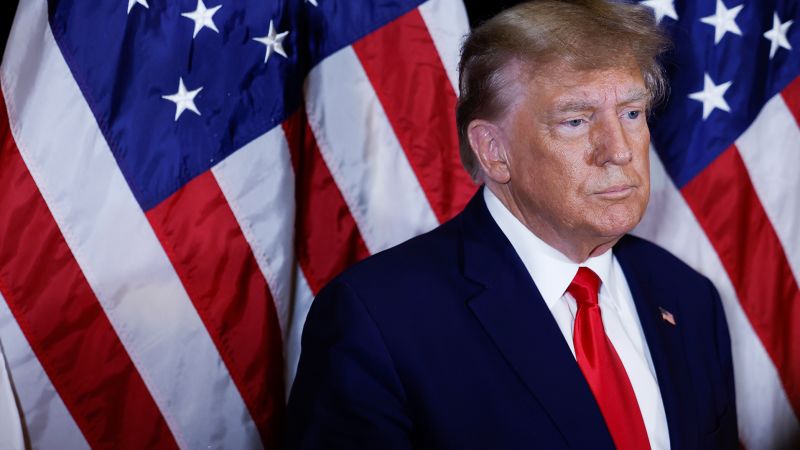
Historic Arraignment Unfolds in New York
Former President Donald Trump appeared in a Manhattan courtroom on Tuesday, April 4, 2023, where he entered a plea of not guilty to 34 felony charges related to falsifying business records. This event marks the first instance in United States history where a current or former president has faced criminal charges. The proceedings, which attracted significant national and international attention, unfolded amid tight security and intense media scrutiny.
The charges stem from an investigation conducted by the Manhattan District Attorney's office into alleged hush-money payments made during the 2016 presidential campaign. Specifically, the indictment focuses on payments reportedly made to adult film star Stormy Daniels, with prosecutors alleging that these transactions were improperly recorded as legal expenses.
The Indictment and Legal Proceedings
The 34 felony counts are all related to falsifying business records in the first degree. According to legal experts, these charges, typically misdemeanors under New York law, can be elevated to felonies if they are connected to an attempt to commit or conceal another crime. In this case, prosecutors are expected to argue that the alleged falsification of records was part of a broader scheme to unlawfully influence the 2016 election.
During the arraignment, which began shortly after 2:00 PM ET, Trump was formally informed of the charges against him. He was fingerprinted as part of the booking process, though he was not handcuffed. Following the plea, he was released without bail, a standard procedure for non-violent felony charges in New York. The judge presiding over the case, Juan Merchan, issued a ruling on Monday night prohibiting news organizations from broadcasting the arraignment live, citing concerns about maintaining order and decorum in the courtroom. However, still photographs were permitted prior to the start of the proceedings.
Trump's Response and Future Outlook
Prior to his court appearance, Trump traveled from his Mar-a-Lago residence in Florida to New York City. His legal team had indicated that the former president would voluntarily surrender to authorities and intends to vigorously challenge every aspect of the indictment once its full details were publicly unsealed. Following the arraignment, Trump delivered remarks from Mar-a-Lago, reiterating his belief that the charges are politically motivated and constitute a form of election interference aimed at disrupting his 2024 presidential campaign.
The former president has consistently maintained his innocence, characterizing the investigation and subsequent indictment as a politically driven 'witch hunt' designed to undermine his political aspirations. Despite the legal challenges, Trump has vowed to continue his bid for the Republican presidential nomination in the upcoming election cycle. His campaign has utilized the indictment to rally support and fundraise, portraying him as a victim of an unfair justice system.
Historical Context and Implications
The indictment of a former U.S. president marks an unprecedented moment in American legal and political history. While other high-ranking officials have faced criminal charges, no former commander-in-chief has ever been indicted. This development raises significant questions about the intersection of law, politics, and the presidency.
Legal scholars and political analysts are closely observing the proceedings, recognizing the potential long-term implications for future political figures and the application of justice. The case is expected to involve extensive legal maneuvering, including motions to dismiss and challenges to the evidence presented by the prosecution. The timeline for a potential trial remains uncertain, with various factors, including the complexity of the case and the defense's strategies, influencing the pace of the judicial process.
The charges against Trump are distinct from other ongoing investigations he faces, including those related to the January 6, 2021, Capitol riot and the handling of classified documents after leaving office. Each of these investigations carries its own set of legal complexities and potential consequences, further adding to the unique legal landscape surrounding the former president.
Source: CNN
Related Articles
 politics
Senator John Fetterman Details Personal Battle with Depression Post-Election Victory
 politics
Finland's Parliamentary Election Concludes with Shift in Political Landscape
 politics
French Minister's Playboy Interview Ignites Political Debate Amid National Crisis
 politics