
Introduction to the Beauty Industry's Environmental Footprint
The global beauty industry, a colossal sector valued at approximately $500 billion, is currently navigating a period of intense scrutiny regarding its environmental impact. As consumer awareness of the climate crisis heightens, purchasing behaviors are evolving, placing increased pressure on brands to demonstrate genuine commitment to sustainability. This demand for 'greener' products and practices extends across the entire lifecycle of beauty items, from the sourcing of raw materials and manufacturing processes to packaging design and ultimate product disposal. The industry's journey toward sustainability is complex, marked by a variety of approaches that often vary in their effectiveness and scope.
Defining 'Green' in Beauty: Challenges and Ambiguities
One of the primary challenges in assessing the beauty industry's environmental performance lies in the often-ambiguous terminology surrounding 'green' and 'sustainable' claims. Terms such as 'natural,' 'organic,' 'eco-friendly,' and 'clean beauty' lack universal legal definitions, leading to a patchwork of self-regulated standards and, at times, accusations of greenwashing. Consumers, genuinely seeking to make responsible choices, can find themselves overwhelmed by conflicting information and marketing rhetoric. This lack of clear, standardized metrics makes it difficult to differentiate between brands making substantial environmental improvements and those merely adopting superficial green veneers.
Packaging: A Persistent Problem
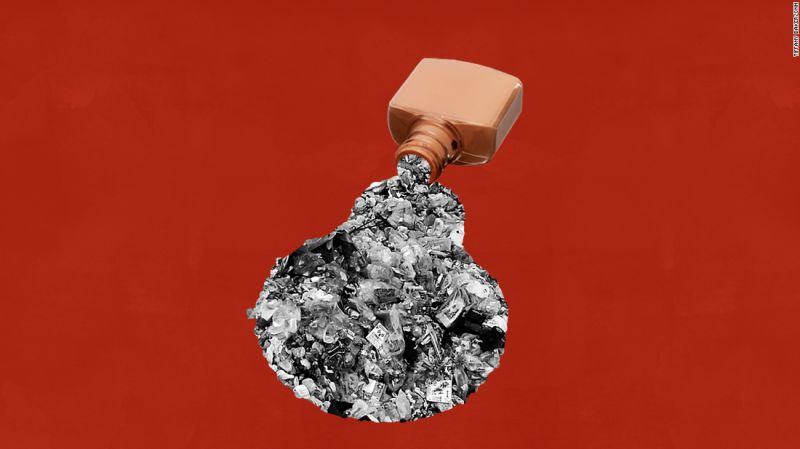
Packaging represents one of the most visible and widely criticized aspects of the beauty industry's environmental footprint. The reliance on virgin plastics, multi-layered components, and non-recyclable materials contributes significantly to landfill waste and plastic pollution. While some brands have introduced initiatives like refillable packaging, recycled content, and biodegradable materials, these efforts are often fragmented. The logistical complexities of establishing widespread refill schemes, the limited availability of high-quality recycled plastics, and the challenges in ensuring proper disposal of biodegradable alternatives remain substantial hurdles. Furthermore, the aesthetic demands of luxury beauty products often conflict with minimalist, sustainable packaging solutions.
Supply Chain and Manufacturing: Hidden Impacts
Beyond packaging, the environmental impact of the beauty industry extends deep into its supply chains and manufacturing processes. The cultivation of certain ingredients, such as palm oil or exotic botanicals, can contribute to deforestation and biodiversity loss. Water-intensive production methods, energy consumption in factories, and the generation of industrial waste are also significant concerns. Addressing these issues requires comprehensive supply chain transparency, ethical sourcing practices, and investments in renewable energy and waste reduction technologies. Many companies are beginning to map their supply chains and engage with suppliers to promote more sustainable practices, but the global and intricate nature of these networks makes this a long-term endeavor.
Product Disposal and Microplastic Concerns
The end-of-life stage for beauty products also presents environmental challenges. Ingredients such as microplastics, often found in exfoliants or glitter, can enter waterways and marine ecosystems, posing risks to aquatic life. The disposal of chemical formulations, if not managed properly, can also contaminate soil and water. While many brands are reformulating products to eliminate microplastics and opting for biodegradable alternatives, the legacy of past formulations and the continuous introduction of new products mean these issues persist. Consumer education on proper disposal methods for different product types is also crucial but often overlooked.
Regulatory Landscape and Industry Initiatives
In response to growing pressure, regulatory bodies and industry associations are beginning to introduce guidelines and standards aimed at improving sustainability within the beauty sector. These include regulations on ingredient transparency, restrictions on certain harmful chemicals, and mandates for recycled content in packaging. Concurrently, numerous industry-led initiatives and certifications are emerging, seeking to provide benchmarks for sustainable practices. However, the voluntary nature of many of these programs and the lack of consistent enforcement across different regions mean that progress can be uneven. True systemic change will likely require a combination of robust regulation, widespread industry collaboration, and sustained consumer demand for genuinely sustainable products.
Looking Ahead: The Path to a Truly Green Beauty Industry
While the beauty industry has made strides in acknowledging its environmental responsibilities, the journey towards comprehensive sustainability is still in its early stages. The current landscape is characterized by a mix of genuine innovation, incremental improvements, and, in some cases, superficial efforts. Achieving a truly 'green' beauty industry will necessitate a fundamental rethinking of business models, a commitment to circular economy principles, and a collective effort from brands, consumers, and regulators to prioritize environmental stewardship over short-term gains. The escalating climate crisis demands more than just ambition; it requires decisive and impactful action across all facets of this influential global sector.
Source: CNN Style
Related Articles
 business
OPEC+'s Unexpected Production Cut: Analyzing the Potential Impact on Global Oil Prices
 business
Corporate Leaders Express Frustration Over Societal Expectations on Gun Control
 business
HSBC Leadership Confronts Shareholder Demands for Business Restructuring
 business