
OPEC+ Announces Major Oil Production Reduction
A coalition of prominent oil-producing nations, known as OPEC+, has declared an unforeseen and substantial cut in crude oil production. This decision, announced on a recent Sunday, entails a reduction of over 1 million barrels per day (bpd) beginning in May. This move has prompted concerns among analysts and policymakers regarding its potential effects on global energy markets and consumer prices.
The collective action by OPEC+ members, including Saudi Arabia, Russia, and other key producers, is set to remove approximately 1.16 million barrels per day from the market. This figure is in addition to a prior 500,000 bpd cut by Russia, which it announced in response to Western sanctions. The combined effect of these reductions could lead to a tighter supply of oil globally, potentially driving up crude prices.
Immediate Market Reactions and Price Projections
Following the announcement, crude oil futures experienced a notable surge. Brent crude, the international benchmark, saw an increase of over 5%, pushing prices toward the upper $80s per barrel. West Texas Intermediate (WTI), the US benchmark, also climbed, nearing the mid-$80s. Experts suggest that if these higher crude prices are sustained, they will inevitably translate to increased costs at the gas pump for consumers.
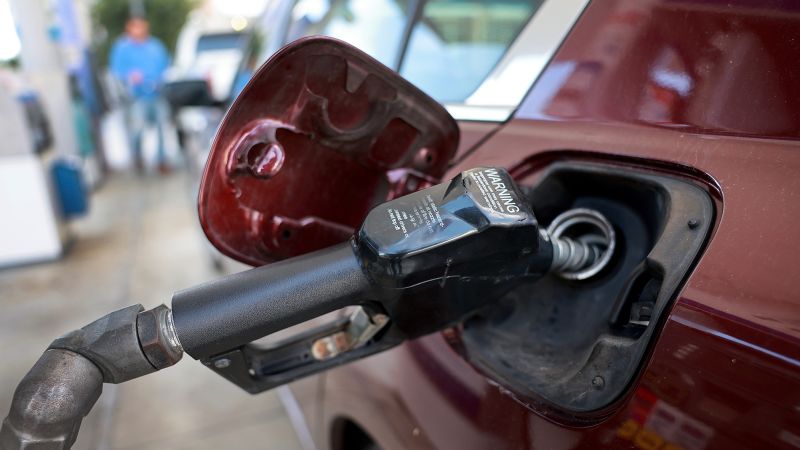
Initial projections indicate that US national average gasoline prices, which had been trending downwards, could rise by 10 to 50 cents per gallon in the coming weeks and months. Some analysts have even warned of potential spikes exceeding $4 per gallon nationally, depending on various market factors and the duration of the production cuts. The magnitude of the price increase will largely depend on how long OPEC+ maintains these reduced production levels and the global demand response.
The Rationale Behind the Cut
OPEC+ stated that the production cuts are a "precautionary measure aimed at supporting the stability of the oil market." However, this justification has been met with skepticism in some quarters, particularly in the United States. The Biden administration, which has previously urged OPEC+ to increase production, criticized the decision as ill-advised given the current global economic climate.
One interpretation of the move is that OPEC+ is attempting to proactively stabilize prices in anticipation of a potential slowdown in global economic growth, which could reduce oil demand. Another perspective suggests that the group is asserting its influence and pushing back against pressure from major consuming nations to keep prices lower. The timing also coincides with a period of banking sector instability and broader economic uncertainty, adding another layer of complexity to the decision.
Geopolitical Implications and International Relations
The OPEC+ decision carries significant geopolitical weight. The United States, a major oil consumer, has expressed disappointment, viewing the cuts as a move that could exacerbate inflationary pressures and undermine global economic recovery. This could strain relations between the US and key OPEC+ members, particularly Saudi Arabia, which plays a pivotal role within the alliance.
Furthermore, Russia's participation in the cuts highlights its continued influence in global energy markets despite Western sanctions. The coordinated action demonstrates the group's ability to impact oil prices, regardless of external pressures. This dynamic underscores the complex interplay between energy policy, international diplomacy, and economic stability.
Impact on Inflation and Consumer Spending
Higher oil prices have a direct and indirect impact on inflation. Directly, they increase the cost of gasoline and other petroleum-based products. Indirectly, they can raise transportation costs for goods and services, leading to higher prices across various sectors of the economy. For central banks, including the US Federal Reserve, this presents a challenge as they work to bring inflation under control through interest rate hikes.
The potential for increased energy costs could erode consumer purchasing power, potentially dampening economic activity. Households already grappling with elevated living costs may face additional financial strain, particularly those with lower incomes who spend a larger proportion of their earnings on transportation and energy.
Looking Ahead: Uncertainty and Volatility
The coming months are likely to see continued volatility in oil markets. The effectiveness and duration of the OPEC+ cuts, coupled with evolving global economic conditions and geopolitical developments, will determine the trajectory of oil and gasoline prices. Analysts will be closely watching for any signs of a change in OPEC+'s strategy, as well as the response from major consuming nations.
Consumers are advised to monitor gas prices, which are notoriously unpredictable. While the long-term impact remains to be seen, the immediate effect of the OPEC+ decision is a significant upward pressure on the cost of fuel, adding another layer of complexity to the global economic outlook.
Source: CNN
Related Articles
 business
Corporate Leaders Express Frustration Over Societal Expectations on Gun Control
 business
HSBC Leadership Confronts Shareholder Demands for Business Restructuring
 business
China Renaissance Halts Trading, Postpones Earnings Amid Founder's Absence
 business