
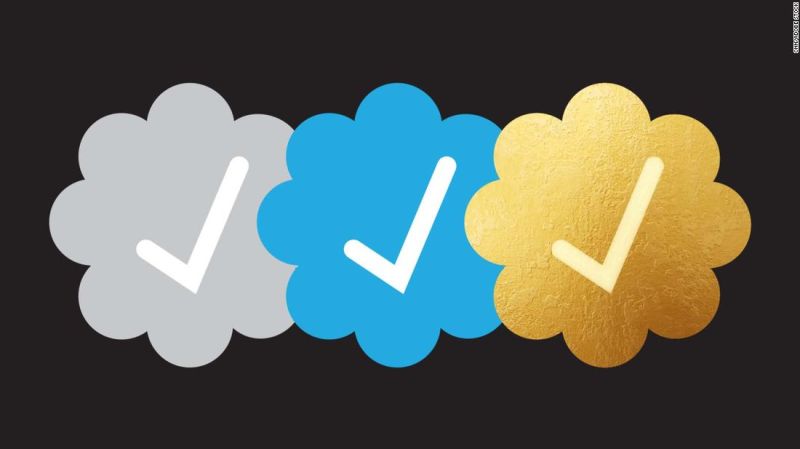
Anticipated Verification Purge Takes Unexpected Turn
Twitter users with long-standing blue verification checkmarks, particularly those considered high-profile, had been bracing for a significant alteration to their account status. Elon Musk, the platform's owner, had previously indicated a comprehensive removal of these legacy badges. However, the initial implementation of this policy on a recent Saturday deviated from widespread expectations, leading to a focused change affecting one prominent media outlet.
The New York Times Becomes a Focal Point
Instead of a broad, indiscriminate removal of blue checkmarks, observations suggested a more targeted approach. The New York Times' primary institutional account appeared to be specifically singled out, losing its blue verification badge. This action drew attention given Musk's publicly expressed criticisms of the publication. The move sparked discussions about the criteria for verification and the potential for selective enforcement of Twitter's evolving policies.
The platform's decision to remove the verification badge from The New York Times' main account, rather than initiating a wide-scale purge as previously suggested, raised questions about the impartiality of Twitter's new verification framework.
Prior to this incident, Musk had publicly stated that he would personally remove the blue checkmark from The New York Times' account, citing the publication's perceived lack of engaging content. This pre-announcement added a layer of intentionality to the subsequent action, distinguishing it from a generalized policy rollout.
Evolving Language and Verification Clarity
Beyond the specific targeting of The New York Times, Twitter also implemented changes to the descriptive language associated with verification badges. Previously, hovering over a blue checkmark would typically indicate that the account was 'verified because it's notable in government, news, entertainment, or another designated category.' This explanation provided a clear, if broad, understanding of the criteria for receiving a legacy checkmark.
The updated language, however, became more ambiguous. For many accounts that retained their blue checkmarks, the new description indicated that the account was 'verified because they are subscribed to Twitter Blue and verified their phone number.' This alteration blurred the lines between legacy verification, which was based on notability, and the new subscription-based verification model. The change made it more challenging for users to discern whether a blue checkmark signified a historically notable account or simply a paid subscriber.
Implications for Information Credibility and User Trust
The shift in Twitter's verification policy and its implementation have several implications. Firstly, the selective removal of a checkmark from a major news organization raises concerns about censorship or bias, particularly when the platform owner has openly expressed disdain for the outlet. This could potentially erode trust in Twitter as a neutral platform for information dissemination.
Secondly, the redefinition of the blue checkmark's meaning complicates the landscape of online credibility. Historically, the blue badge served as a quick visual cue for authenticity and prominence. By conflating legacy verification with paid subscription, Twitter risks diminishing the badge's original purpose, potentially making it harder for users to distinguish between genuine, notable accounts and those simply paying for a service.
- Potential for increased misinformation: Without clear indicators of authenticity, users might struggle to identify credible sources.
- Impact on public discourse: The perceived targeting of news organizations could influence the types of information shared and consumed on the platform.
- Challenges for content creators: Establishing authority and trust may become more difficult for individuals and organizations on Twitter.
The ongoing evolution of Twitter's verification system underscores the challenges of managing a global social media platform, particularly under new ownership. The balance between monetizing features, maintaining platform integrity, and ensuring user trust remains a complex endeavor.
Source: Musk's Twitter promised a purge of blue check marks. Instead he singled out the New York Times
Related Articles
 technology
Record-Breaking Snailfish Sighting in Pacific Abyss Challenges Deep-Sea Life Assumptions
 technology
China Initiates Cybersecurity Review of Micron Technology Amidst Escalating Tech Tensions
 technology
Novel Nasal Vaccine Strategy Shows Early Promise Against COVID-19
 technology