
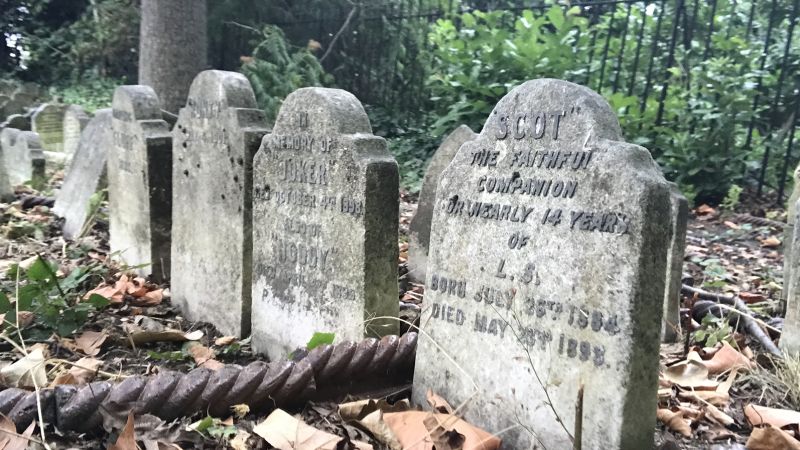
The Enduring Human Need to Memorialize
The practice of burying and commemorating the deceased is a deeply ingrained aspect of human culture, serving not only to honor those who have passed but also to provide a crucial space for the living to process grief and find solace. This fundamental human need extends beyond our own species, finding poignant expression in the establishment and maintenance of pet cemeteries around the world. These dedicated resting places for animal companions offer profound insights into the human condition, revealing much about our capacity for love, loss, and the intricate bonds we form with other creatures.
Historically, the act of burial has been intrinsically linked to the human experience of death. From ancient civilizations to modern societies, the interment of bodies, often accompanied by rituals and monuments, has provided a tangible means for survivors to acknowledge loss, maintain a connection with the departed, and integrate the reality of death into the fabric of community life. Cemeteries, in this context, are not merely repositories for remains; they are sacred spaces designed for remembrance, reflection, and the collective expression of sorrow. They serve as physical anchors for memory, allowing individuals and communities to revisit and reconnect with their personal and shared histories.
The Evolution of Animal Status and Commemoration
While the concept of burying human dead is ancient, the widespread practice of formal pet burial and the establishment of dedicated pet cemeteries is a more recent phenomenon, largely emerging in the 19th century. This development coincides with a significant shift in the human-animal dynamic, particularly in Western societies. As urbanization increased and the role of animals transitioned from primarily utilitarian (e.g., livestock, working animals) to that of cherished companions, their status within the household and society began to elevate. This transformation fostered deeper emotional attachments, leading to a desire to treat deceased pets with a reverence previously reserved for human family members.
Early pet cemeteries often reflected the social strata of their founders, with elaborate monuments and detailed inscriptions mirroring those found in human burial grounds. This parallelism underscores the extent to which pets had become integrated into the emotional lives of their owners. The decision to invest in a formal burial, complete with a headstone and a designated plot, was a powerful declaration of the pet's significance and the depth of the owner's affection. It represented a recognition of the pet's individuality and the unique role it played in the owner's life.
Grief, Closure, and the Pet Cemetery as a Therapeutic Space
For many, the loss of a pet can be as devastating as the loss of a human loved one. The grief experienced is genuine and profound, often characterized by feelings of sadness, loneliness, and a significant disruption to daily routines. Pet cemeteries provide a structured and culturally sanctioned outlet for this grief. By offering a physical space for burial and remembrance, they facilitate the mourning process, allowing owners to perform rituals that aid in closure. The act of choosing a plot, selecting a headstone, and visiting the grave can be therapeutic, providing a tangible way to honor the pet's memory and acknowledge the bond that was shared.
"The cemetery is a place for the living as much as it is a place for the dead. It provides survivors with an opportunity to grieve and gain a sense of closure."
The design and atmosphere of many pet cemeteries further support this therapeutic function. Often landscaped with care, featuring tranquil pathways, benches for contemplation, and sometimes even communal memorial gardens, these spaces are designed to be peaceful havens for reflection. They offer a quiet retreat where owners can feel close to their departed companions, share memories, and find solace in the company of others who understand the unique pain of pet loss. This shared experience can foster a sense of community among pet owners, validating their grief and offering mutual support.
The Broader Cultural Implications
The existence and popularity of pet cemeteries also speak to broader cultural values and our evolving understanding of life and death. They challenge traditional anthropocentric views by asserting the intrinsic value of non-human lives and the legitimacy of grieving for them. This shift reflects a growing awareness of animal sentience and the profound emotional connections that can exist across species boundaries. As societies become more attuned to animal welfare and rights, the respect afforded to deceased pets through formal burial practices becomes an extension of this evolving ethical framework.
Moreover, pet cemeteries serve as historical records, albeit unconventional ones. The inscriptions on headstones often provide glimpses into the lives of the animals buried there, their personalities, and the affections of their owners. They can reveal names, dates, and sometimes even heartfelt poems or epitaphs that encapsulate the unique bond shared. These markers collectively form a testament to the enduring human capacity for love, companionship, and the universal need to memorialize those who have touched our lives, regardless of species.
Ultimately, pet cemeteries are more than just burial grounds; they are cultural artifacts that illuminate the complex and often deeply emotional relationship between humans and animals. They stand as quiet testaments to our capacity for love, our need for connection, and our enduring desire to honor and remember those who have enriched our lives, even after they are gone.
Related Articles
 culture
Shania Twain Advocates for Enhanced Equity and Inclusivity in Country Music
 culture
Mark Hamill Shares Insights on Luke Skywalker's Legacy and Potential Spinoffs with Jim Acosta
 culture
Emma Heming Willis Marks Daughter Mabel's 11th Birthday with Heartfelt Family Tribute
 culture