
Monaco Grand Prix Controversy: A Matter of Precedent
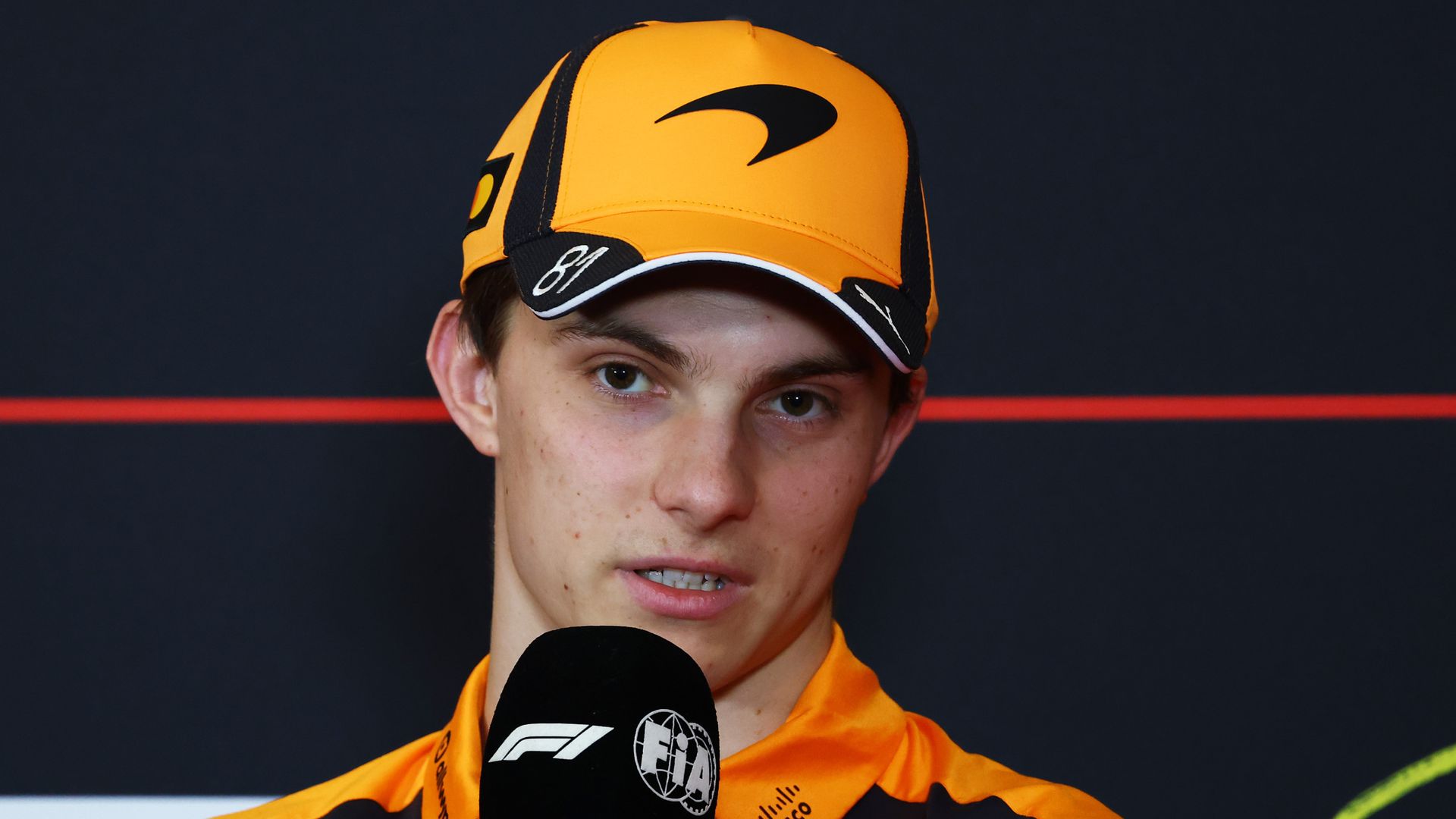
The aftermath of the Monaco Grand Prix continues to unfold, with McLaren and Red Bull officially appealing the race's classification. The core of their protest stems from the reinstatement of Alpine driver Pierre Gasly to the podium, a decision that has sparked significant debate within the Formula 1 community. Oscar Piastri, a McLaren driver directly affected by the revised standings, articulated his team's primary concern: the establishment of a 'tricky precedent' that could have far-reaching implications for future race management and judicial processes.
The appeals are being lodged with the FIA International Court of Appeal, which serves as the highest judicial body in motorsport. This development comes after Alpine successfully challenged speeding penalties levied against Gasly during the Monaco race. Alpine presented evidence suggesting that the official pit lane distance at Monaco was incorrectly measured, leading to inaccurate speed readings for drivers. As a result of this successful appeal, Gasly's original 10-second penalty was rescinded, promoting him from seventh back to third place.
Impact on Race Standings and Driver Concerns
Gasly's reinstatement had a ripple effect on the final standings. Red Bull's Isack Hadjar, who had initially been classified third, dropped to fourth. McLaren's Piastri, initially fourth, was reclassified as fifth. Racing Bulls drivers Liam Lawson and Arvid Lindblad also saw their positions shift, moving down to sixth and seventh, respectively. This alteration of results, weeks after the race, has highlighted a procedural challenge that McLaren and Red Bull are keen to address.
A critical aspect of the appeal involves other drivers who incurred similar speeding penalties during the Safety Car period and subsequently served them in the pits. Unlike Gasly, these drivers – including Piastri, George Russell, Lewis Hamilton, and Franco Colapinto – did not have the opportunity to appeal their penalties in the same manner as Alpine. Piastri emphasized his conviction that he, too, was not speeding, expressing frustration that the standard procedure for penalties typically offers little room for dispute.
“I've never seen a race like that, where there's so many pit lane speeding penalties, and in my case specifically, I knew I wasn't speeding either,” Piastri stated. “But the approach is always, well you have the penalty, you can't really argue with it in a lot of cases, which I think in 99 per cent of things is a good thing.”
The Risk of Post-Race Disputes
Piastri elaborated on the potential ramifications of the Monaco decision, suggesting it could encourage teams to avoid serving penalties in the hope of appealing them post-race. “The risk that we have now is any time a team or a driver feels that a penalty is potentially wrong, or they have a chance of changing it, you go through this whole cycle where we still don't officially know the results of the race a month later, which is the biggest thing.”
This concern echoes sentiments expressed by Sky Sports F1 analyst Martin Brundle, who previously suggested that Alpine's successful appeal might incentivize teams to strategically delay serving penalties. Piastri clarified that McLaren's appeal is not directed at Pierre Gasly or Alpine personally, but rather at the perceived unfairness of a situation where different teams had different avenues for recourse. “It [McLaren's appeal] is nothing against Pierre or Alpine. It's more just that if we hadn't known that certain things hadn't played out the way they did, we would have made different decisions in the race, which we don't really think is correct.”
Gasly's Perspective: Correcting Mistakes
Pierre Gasly, who recently received his third-place trophy, acknowledged the unique circumstances of the situation. While understanding the frustration of other drivers, he maintained that correcting a proven mistake is essential for the sport's integrity. “For the good of the sport, we don't want to see that happen again in the future. It was a mistake done during that weekend, and it's important we all learn from it,” Gasly commented.
He continued, “At the same time, the mistake was done but it can be corrected because it's been unfairly given for no wrongdoing, so in that case, in our situation, if you have a chance to correct it, it's the right thing as a sport to do it.” Gasly emphasized that while he empathizes with drivers like Piastri and Russell who feel an injustice, their situations are distinct from Alpine's successful challenge based on verifiable data errors. “But that has nothing to do with Alpine or our own race, and that's something they need to sort out on their side.”
Piastri conceded that there is merit to Gasly's argument regarding the correction of errors. However, he reiterated his apprehension about the wider implications. “I kind of agree with Pierre's point that if there's something that can be corrected, then I can definitely see why it can be. But it also sets a bit of a tricky precedent because you could just end up with everybody not serving their penalties, then arguing about it for weeks after, which is not what anyone wants to see. A difficult situation with two sides to it.”
The FIA has yet to announce a date for the appeal hearings in Paris, but a resolution is expected to take several weeks. The outcome will be closely watched, as it could indeed shape how future penalty disputes are handled in Formula 1.
Source: Sky Sports F1